


Artificial intelligence is supposed to be logical, calm, and calculated. Yet sometimes it behaves like a daydreaming intern who had too much coffee. One minute, it’s summarizing legal documents flawlessly. Next, it confidently invents court cases that never happened. That strange gap between brilliance and nonsense is what fascinates people right now. This blog looks closely at AI hallucinations, why weird AI behavior keeps happening, how chatbot errors reveal artificial intelligence quirks, and what generative AI fails to tell us about the future of AI. Along the way, we’ll laugh a little, question a lot, and maybe feel oddly human doing it.
AI hallucinations deserve attention because they sit right at the intersection of trust and confusion. These moments aren’t rare glitches anymore. They’re recurring reminders that smart systems don’t actually “know” things the way people do.
Before breaking it down, here’s the core tension. AI sounds confident even when it’s wrong. That confidence is what throws us off.
Despite the dramatic name, AI hallucinations aren’t visions or digital dreams. They happen when a system generates information that sounds correct but has no grounding in facts. It might cite a fake study, invent a historical quote, or explain a process that simply doesn’t exist.
The unsettling part isn’t the mistake itself. Humans mess up all the time. It’s the delivery. The response feels polished, calm, and certain. No hesitation. No shrug. Just confidence.
That’s because these systems predict language patterns, not truth. They’re great at sounding right, even when they’re wrong.
You know what? Humans are wired to trust fluent speech. When something sounds smooth and structured, we assume competence. It’s the same reason a confident speaker can win an argument with shaky facts.
AI taps into that bias perfectly. The tone mimics authority. The structure mimics expertise. Our brains fill in the rest.
That mismatch between tone and truth is why AI hallucinations feel eerie rather than annoying.
Once you notice odd responses, you start seeing personality where none exists. That’s where weird AI behavior becomes strangely relatable and slightly funny.
This section steps away from theory and into moments that feel oddly human.
Ask a chatbot for restaurant recommendations in a small town. Sometimes it invents places that sound amazing but aren’t real. Farm-to-table bistros with glowing reviews. Menus that read like poetry. Addresses that lead nowhere.
That’s not rebellion. It’s pattern completion gone sideways.
The AI has learned what restaurant descriptions usually look like, so it fills in the blanks. Honestly, it’s like a student writing a book report on a novel they skimmed.
Some chatbot errors are genuinely funny. There are cases where AI apologizes for mistakes it didn’t make, argues with users about incorrect facts, or spirals into overly dramatic explanations.
These moments go viral because they feel familiar. We recognize the tone. We’ve all met someone who talks confidently while missing the point.
It’s amusing, yes, but it also reminds us that intelligence and understanding aren’t the same thing.
Chatbot errors aren’t just technical hiccups. They reveal how these systems process information and where the cracks form.
Before jumping to fixes, it helps to understand what’s actually breaking.
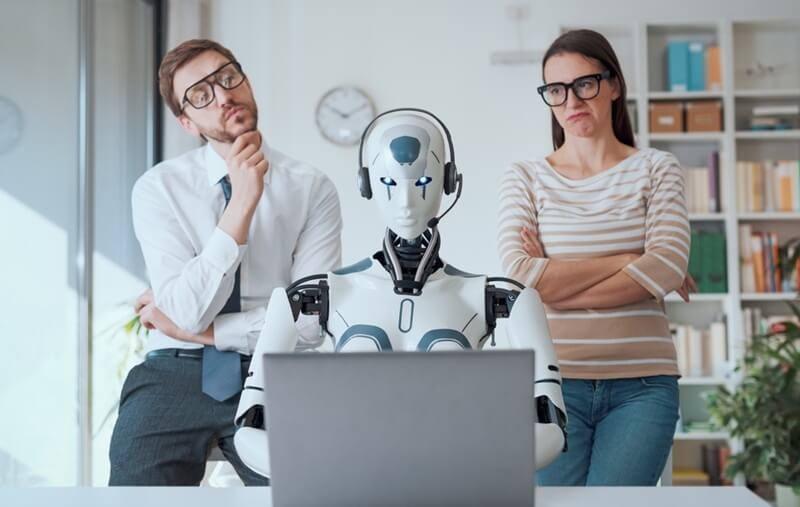
At its core, a chatbot predicts what word should come next based on training data. It doesn’t check facts the way a human researcher would. There’s no internal alarm that says, “Wait, that sounds made up.”
So when the data is incomplete, outdated, or contradictory, the output reflects that confusion.
It’s a bit like autocomplete on your phone, except the stakes are much higher.
You might correct an AI, only to see it repeat the same error later. That’s frustrating, but it makes sense.
Most chatbots don’t learn from individual conversations in real time. Each session is more like a fresh start. So while it may apologize gracefully, the underlying behavior stays the same.
This is where user expectations and system design quietly clash.
Here’s the twist. Some of the most annoying AI traits are also the ones that make it easier to interact with.
This section leans into those contradictions.
AI often speaks with total certainty, even when discussing guesses. That can feel misleading. At the same time, that confidence makes interactions smoother and faster.
Imagine if every response came with constant doubt. It would feel cautious but exhausting.
So yes, artificial intelligence quirks include misplaced confidence, but that same trait keeps conversations flowing.
Ever notice how chatbots apologize a lot? Or thank you for pointing out errors? That’s intentional.
Politeness reduces friction. It keeps users engaged. It softens mistakes.
But it also creates an illusion of self-awareness. The system isn’t embarrassed. It’s following conversational patterns that humans respond to.
That illusion is powerful and occasionally misleading.
When generative AI fails, headlines follow. Screenshots circulate. People panic or laugh or both.
Instead of reacting emotionally, it’s worth asking what these failures actually show us.
Every strange output highlights a boundary. It shows where context breaks down or where data gaps exist.
In creative fields like marketing, design, or writing, these moments are often easy to catch. In legal or medical contexts, they matter much more.
That’s why human oversight isn’t optional. It’s essential.
Here’s an uncomfortable truth. Systems that generate fresh ideas are more likely to generate nonsense.
Creativity involves risk. Pattern bending. Unexpected combinations.
So when generative AI produces something strange, it’s often a side effect of the same flexibility that makes it useful. Limiting hallucinations too aggressively can also limit originality.
That balance is still being worked out.
Strange AI hallucinations don’t mean machines are broken or dangerous by default. They mean these systems are powerful pattern generators, not thinking beings. Weird AI behavior, chatbot errors, and generative AI fails all point to the same truth. Artificial intelligence quirks reflect how language, data, and probability collide. As the future of AI unfolds, the goal isn’t blind trust or total fear. It’s an informed use. When we understand where imagination sneaks in, we can work with these tools instead of being surprised by them.
They occur because AI predicts language patterns rather than verifying facts. When data is unclear, the system fills gaps confidently.
Not exactly. Systems are improving, but expectations are rising faster. Mistakes feel more noticeable now.
Complete removal is unlikely. Reducing frequency and impact is more realistic than total prevention.
AI can assist, but human judgment should always be involved, especially in legal, medical, or financial matters.
This content was created by AI