

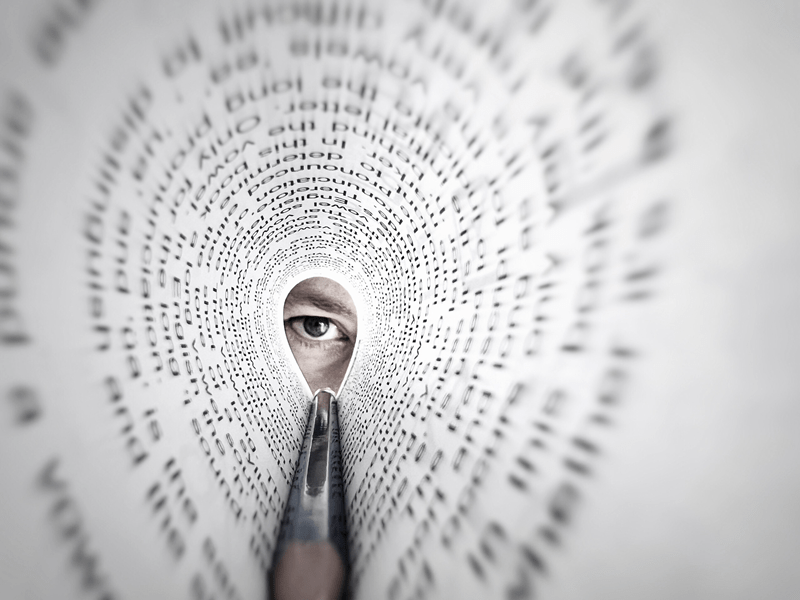
Optical illusions make the world feel unstable. A flat image seems to move, straight lines look bent, or colors appear where none exist. Optical illusions rely on brain tricks, limitations in visual perception, and the constant interplay between the eyes and the brain. Within seconds, seeing patterns takes over logic, and what feels true often proves to be untrue.
Here's the thing: optical illusions are not about weak eyesight. They come from how illusions work inside the brain. Visual perception uses shortcuts to save time. The brain fills in missing details quickly. When those shortcuts fail, optical illusions emerge, and the result feels both strange and yet real.
Optical illusions occur when the brain misinterprets information. The eyes collect light, shapes, and color, then send signals forward. The brain builds meaning from those signals. When context or expectations mislead, perception breaks.
Optical illusions reveal a key fact. Vision is not passive. Visual perception is active and predictive. The brain expects patterns and creates them when unsure.
Essential features of optical illusions include:
Eyes vs. brain conflict creates the illusion. Brain tricks are the result, not the cause.
How illusions work comes down to efficiency. The brain must process vast amounts of data fast. It simplifies edges, ignores noise, and assumes lighting and depth.
These shortcuts usually help. Sometimes they fail.
How illusions work often involves:
Optical illusions show these errors clearly. Visual perception favors survival, not perfect accuracy. Seeing patterns becomes automatic, even when they are incorrect.
Brain tricks guide daily life. Faces are recognized quickly. Objects are grouped without thought. These same tricks cause optical illusions.
Common brain tricks include:
Visual perception depends on these tricks. Optical illusions appear when context breaks expectations. The disagreement between the eyes and the brain becomes visible.
The eyes vs. the brain is not a fair fight. Eyes collect data. The brain decides meaning. When meaning overrides data, illusions happen.
Optical illusions prove that eyes alone do not see. The brain interprets. Seeing patterns can override raw input. That's why illusions stay strong even when known.
Key points about eyes vs. brain include:
How illusions work becomes clearer once control is understood.
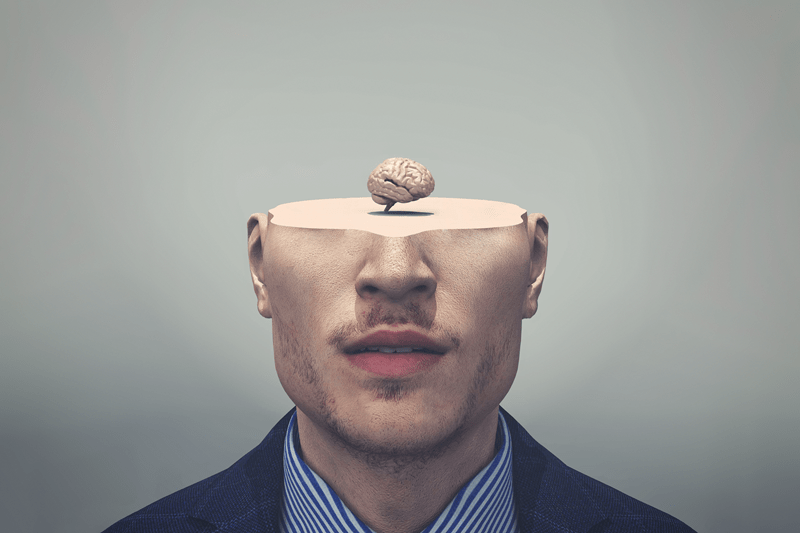
Seeing patterns is deeply human. Faces in clouds, shapes in shadows, meaning in randomness. This habit once helped survival.
Optical illusions exploit seeing patterns. The brain prefers order and resists chaos. When information is unclear, patterns appear.
Seeing patterns increases when:
Brain tricks push structure onto noise. Visual perception favors familiar shapes. Optical illusions grow from this instinct.
Optical illusions fall into categories. Each type highlights a different brain shortcut.
Common types include
How illusions work differs by type. Some rely on depth cues. Others rely on contrast. All involve eye vs. brain conflict and seeing patterns where none exist.
Intelligence does not protect against optical illusions. Knowledge rarely overrides perception. The brain trusts its shortcuts deeply.
Visual perception evolved for speed. Accuracy came second. Brain tricks keep working even when errors are known.
Reasons illusions fool everyone include:
Optical illusions bypass logic. Seeing patterns feels correct, even when wrong.
Optical illusions are not limited to images. Roads look shorter at night. Objects seem closer in fog. Colors shift under different lights.
These daily illusions come from visual perception shortcuts. Eyes vs. brain disagreements happen constantly.
Examples include:
How illusions work matters for safety and design. Understanding brain tricks helps reduce errors.
Artists understand visual perception deeply. Designers use optical illusions to guide attention. The brain responds predictably.
Optical illusions are used to:
Seeing patterns guides behavior. Brain tricks help sell ideas visually. Eye vs. brain tension becomes a tool.
Optical illusions cannot be switched off. Awareness helps but does not erase perception. The brain keeps predicting.
Visual perception runs automatically. Brain tricks keep active. The eyes vs. brain conflict continues.
What helps instead:
How illusions work means they remain powerful even when expected.
Optical illusions teach humility. Vision feels reliable but is not perfect. Memory and perception share flaws.
Lessons from optical illusions include:
Seeing patterns helps with survival, not with finding truth. Visual perception is proper, not flawless.
This means that you aren't just passive participants in the camera and the image you're capturing. You are actively involved as an artist in the creative process of what you see. Your past experiences, cultural background, and expectations have shaped your perspective on the world. The fact that we have optical illusions shows that we can only guess what we perceive. The fact that we can be confidently assured of seeing one thing, yet be fooled by the way we perceive it, shows us how fragile the system is.
Next time you see an optical illusion that makes your brain hurt, take a moment to appreciate the intricate, hidden mechanisms involved in creating that optical illusion. This is a unique opportunity to witness how your mind processes images and how your eyes and mind work together, often with humorous results, to create the photos you see.
Optical illusions demonstrate how the brain influences vision, its tricks, and its habits. Visual perception favors speed over accuracy. Eyes vs. brain conflict creates surprising results. Seeing patterns feels natural, but it can mislead. Understanding how illusions work builds awareness, patience, and respect for how the mind truly sees.
Optical illusions occur when there is a disconnect between the data your eyes send and how your brain interprets that information. Your brain uses shortcuts based on experience, and illusions cleverly exploit those shortcuts.
Most people with typical vision will see the same effect from a strong illusion, as our visual systems are wired similarly. However, factors such as age, cultural background, and certain brain conditions can sometimes alter how a person perceives a specific illusion.
No, they are entirely harmless. They do not strain your eyes or damage your brain. They are simply revealing the normal, fascinating processes your visual system uses every single day.
Scientists believe that many animals with complex vision, such as monkeys and birds, can be tricked by certain illusions. This suggests their brains use similar perceptual shortcuts, which is a fascinating area of study for understanding animal cognition.
This content was created by AI