

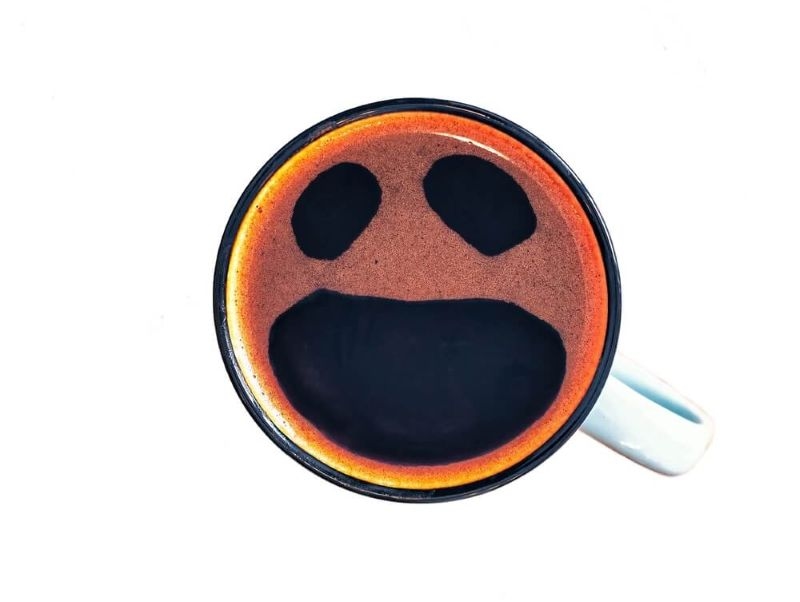
A face in a power socket. A grumpy potato. A cloud that looks like a dog wearing sunglasses. A car front that seems… annoyed. Most people have had that split-second moment of “Wait, is that looking at me?” and then immediately felt a little silly. But it keeps happening, because the brain loves doing this. It’s basically a compulsive hobby.
This phenomenon has a name: Pareidolia. It’s when the brain finds meaningful patterns in random stuff, especially faces. Not because the object actually has a face, but because the mind is wired to spot one.
And the wild part is this: it isn’t a glitch in the usual sense. It’s a feature that helped humans survive. A slightly paranoid feature. But still.
Faces are the brain’s favorite pattern. People recognize them fast, often before they even realize they’re doing it. A few dark spots, a line, a curve, and the mind goes, “Yep. Face.”
That’s why seeing faces in objects is so common. The recipe is simple:
The brain doesn’t need perfection. It needs “close enough.” And it doesn’t ask for permission before deciding.
This is also why the effect hits harder at certain times:
Basically, the brain becomes less picky. It starts guessing.
People often imagine vision like a recording. Light goes in, image comes out, done.
Not even close. Vision is more like negotiation. The eyes collect messy data, and the brain fills in the blanks using experience and expectation. That’s brain pattern recognition in action. It’s efficient. It’s fast. It’s also the reason someone can swear they saw a face in a window… and it turns out to be a curtain and a coat hanger.
The brain doesn’t want to be accurate every time. It wants to be quick enough to keep the body safe.
And if that means a few false alarms, so be it.
Here’s the evolutionary logic, and it’s kind of brutal.
Imagine early humans walking through tall grass.
So natural selection likely favored brains that leaned toward “assume it’s something” rather than “assume it’s nothing.” That’s the basic idea behind the evolutionary angle of evolutionary psychology here: the brain evolved to treat certain patterns, like face-like shapes, as important signals.
Faces matter because faces mean people. People mean allies, danger, status, emotion, intent. In social species, reading faces is survival math.
So the brain built a shortcut:
“If it sort of looks like a face, treat it like one until proven otherwise.”
That’s why the mind can turn a random arrangement of holes and shadows into a full personality. Suddenly the toaster looks disappointed in you. And honestly, sometimes it does feel like that.
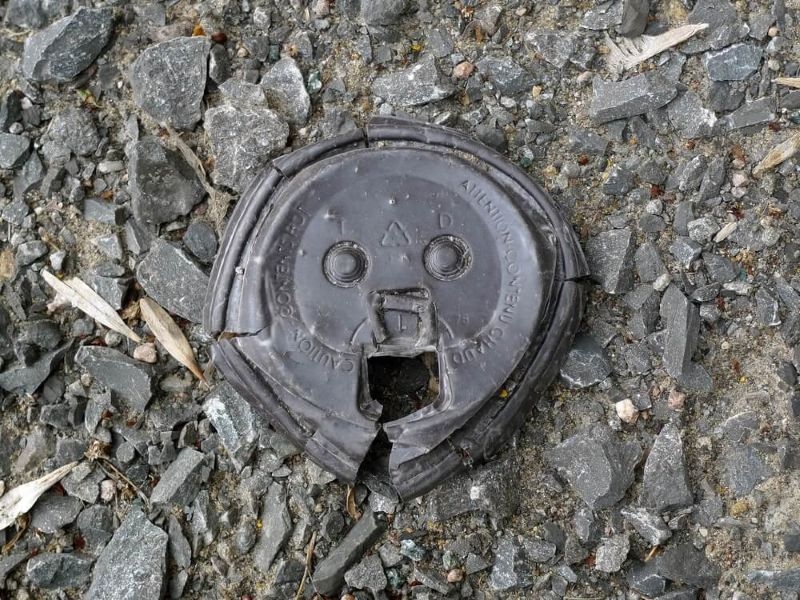
If pareidolia were just a cute illusion, people would laugh and move on. But sometimes it genuinely startles. Why?
Because the brain doesn’t just label the pattern as “face.” It may also trigger a tiny emotional response. Faces are loaded. The brain is trained to react to them. That reaction can happen before conscious logic catches up.
So the sequence often goes:
Those first three steps can happen fast. Real fast. That’s why some people describe it as a jump scare, even when nothing is happening.
There’s a funny way to think about pareidolia: it’s the brain using an aggressive filter.
Like when a phone camera over-sharpens an image and suddenly every texture looks dramatic. The brain sometimes does that with the world. It enhances edges, hunts for symmetry, fills in missing parts, and tries to make sense of noise.
That’s why pareidolia is sometimes grouped with visual glitches. Not because the eyes are broken, but because perception is interpretation, and interpretation can overshoot.
And it isn’t limited to faces. People also notice:
Faces are just the superstar category.
Now it gets a bit touchy, because people have strong feelings here.
A lot of spooky experiences start with low information plus high emotion. Someone is alone. It’s dark. They’re already anxious. Their brain is scanning for threat. A coat on a chair becomes a figure. A reflection becomes a face. A shadow becomes something standing there.
That doesn’t mean someone is “making it up.” It means the brain is doing what it does under uncertainty. It makes a best guess, and in a tense moment, the guesses get dramatic.
That’s one reason pareidolia connects to why we see ghosts. Many “ghost sightings” include vague face-like shapes, figures in shadows, or patterns in reflections. The brain can interpret those quickly, especially if the person is primed to expect something paranormal.
It’s not an insult to say that. It’s just how human perception works. Everyone’s brain does it. Some brains do it more often, or more intensely, depending on context.
Interactive prompt: if someone told you they saw a face in a dark hallway, what would you ask first? Lighting? Stress? Sleep? That’s usually where the story starts.
The internet loves pareidolia because it’s instantly shareable. A face in a bell pepper. A “sad” car. A wall stain that looks like a celebrity. And once people start looking for it, they find it more. Attention trains perception. If the brain gets rewarded for noticing faces, it becomes even faster at spotting them. That feedback loop is real. It’s the same reason people can become “good at” seeing shapes in clouds. Practice matters, even for nonsense.
Also, cameras flatten depth and amplify shadows, which can make face-like patterns look more convincing in photos than in real life. So people post an image and everyone goes, “How is that not a face?” because, in that frame, the brain’s shortcut wins.
Most of the time, no. It’s normal. It’s common. It’s basically the brain being playful and slightly anxious at the same time.
But it can become unsettling if:
In those cases, the issue usually isn’t pareidolia itself. It’s the state the brain is in while doing it.
For everyday life, it’s harmless. It’s a reminder that the brain doesn’t just see the world. It guesses it.
So the evolutionary secret behind Pareidolia is basically this: humans survived by being a little too eager to detect meaning. Faces mattered. Threats mattered. Social signals mattered. And the brain got rewarded for noticing patterns quickly, even when it was wrong sometimes.
That’s why people still spot faces in outlets, cars, and burnt toast. Not because people are irrational, but because they’re human. And honestly? It’s kind of charming. The world is full of random objects, and the brain keeps trying to turn them into company.
No. It’s a normal perception quirk most people experience. It only becomes a concern if it causes distress or happens alongside other troubling symptoms.
Faces carry huge social importance. The brain has specialized systems for facial recognition, so it detects face-like patterns quickly, even from minimal visual cues.
Yes. Better lighting, more sleep, and lowering stress can help. When the brain has clearer information, it’s less likely to “guess” faces in shadows or clutter.
This content was created by AI