

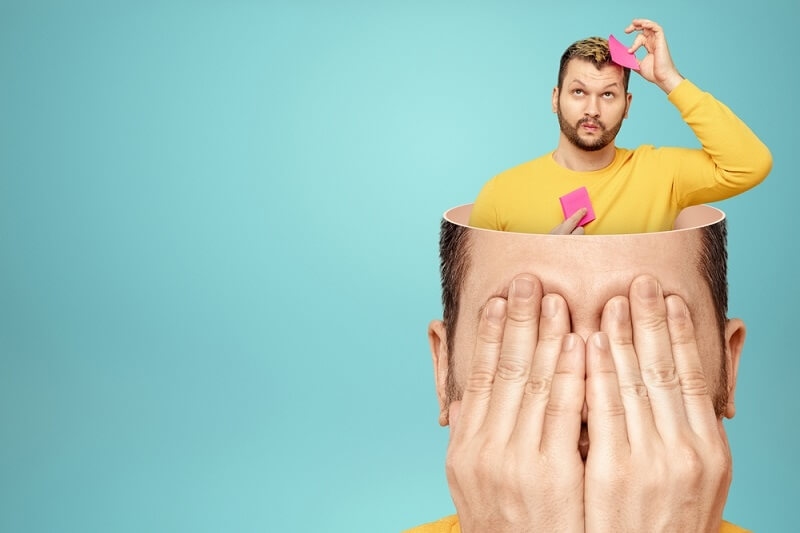
We all carry a highlight reel from childhood. A birthday party that felt magical. A teacher who scared us. A moment that seems frozen in time. But here’s the uncomfortable twist: some of those memories might be partly wrong, or completely made up. This blog looks at false memories and the science behind childhood highlights, explaining how memories form, shift, and sometimes lie to us. Along the way, we’ll touch on Mandela Effect examples, brain memory quirks, why an unreliable witness is often just a normal human, and how memory science keeps rewriting what we thought we knew. You might walk away questioning a few favorite stories. That’s kind of the point.
Childhood memories often feel sacred. They’re emotional, vivid, and deeply personal. This section sets the foundation by explaining why false memories can feel just as real as true ones, especially when they’re formed early in life.
Here’s the thing. The brain isn’t a video camera. It’s more like a storyteller who fills in gaps to keep the plot moving. When you remember your fifth birthday, you’re not replaying a recording. You’re rebuilding a story using fragments, emotions, and later information.
False memories slip in because the brain values meaning over accuracy. If a memory makes sense and fits your personal narrative, the brain tends to keep it. Over time, that memory gets rehearsed, polished, and emotionally reinforced. Eventually, it feels solid. No cracks. No doubts.
That’s why childhood highlights feel untouchable. They’re tied to identity. Questioning them feels like questioning yourself.
Emotion plays a huge role here. Strong feelings act like glue for memory storage. Fear, joy, embarrassment, pride. These emotions boost confidence in a memory, even if details are fuzzy.
Ironically, emotion doesn’t guarantee accuracy. It boosts certainty. So a memory tied to big feelings can be confidently wrong. That’s not a flaw. It’s a feature of how memory science explains survival-focused brains.
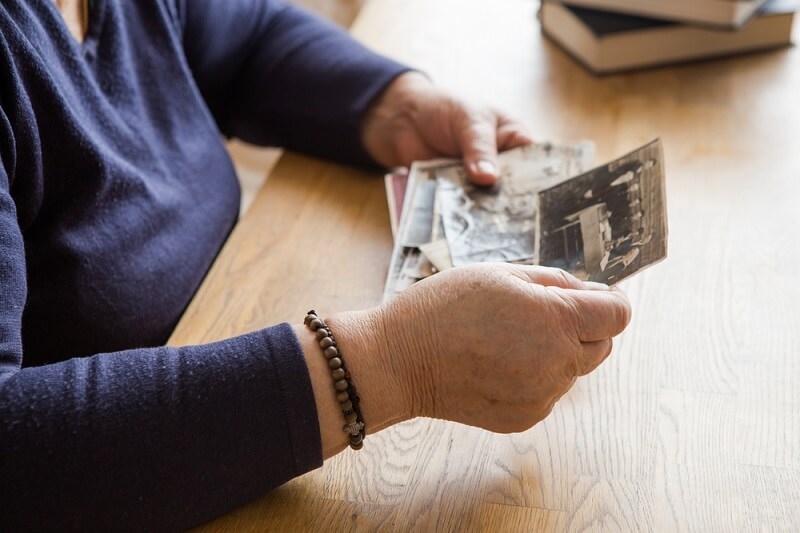
Memories aren’t static. They move, stretch, and shrink as life goes on. This section explains how memories change and why those changes usually happen quietly.
Every time you recall a memory, you reopen it. Think of it like opening a document, making edits, and hitting save. The next time you open it, the edits are baked in.
New information sneaks in during recall. A sibling’s version of events. A family photo. A story told at Thanksgiving. These additions feel helpful, but they also reshape the original memory.
This is one of the biggest brain memory quirks. Remembering isn’t retrieving. It’s rebuilding.
Stories we tell often change faster. Each retelling smooths rough edges and sharpens punchlines. Details that get laughs stick around. Boring details fade.
Over the years, a memory becomes optimized for storytelling, not truth. That’s how a small childhood mishap becomes a legendary family tale. Fun, yes. Accurate, maybe not.
Some false memories aren’t private. They’re shared by millions. This section explores why groups of people remember the same thing incorrectly.
The Mandela Effect refers to large groups recalling the same incorrect detail. Think movie quotes that were never said or brand logos that never looked that way.
These Mandela Effect examples aren’t about a bad memory. They’re about pattern-seeking brains. We expect language, images, and stories to follow familiar rules. When something almost fits a pattern, the brain snaps it into place.
Add social reinforcement, and suddenly a false memory feels validated. If everyone remembers it that way, it must be true. Right?
Pop culture plays a big role. We absorb information casually. Headlines, memes, conversations. Over time, the source fades, but the idea sticks.
The brain fills gaps using cultural shortcuts. It’s efficient. It saves energy. Accuracy sometimes pays the price.
Our brains come with quirks baked in. This section looks at how those quirks influence what we remember from childhood and what we forget.
Most people can’t remember much from before age three or four. That’s called childhood amnesia. The brain simply wasn’t storing memories the same way yet.
Later, we often backfill those years with stories we were told. A parent’s anecdote becomes a personal memory. A photo becomes proof of an experience we don’t truly recall.
Honestly, this happens to almost everyone.
Kids are imaginative. That’s a strength. But it also makes them suggestible. A leading question can plant an idea that grows into a memory.
Even adults aren’t immune. The brain blends imagination and memory more than we’d like to admit.
Memory feels reliable, especially when someone is confident. This section explains why confidence doesn’t equal accuracy and how that matters beyond personal stories.
An unreliable witness isn’t lying. They’re remembering the best version their brain can assemble.
Studies show that confidence often increases as memories are retold, even when details drift. Jurors tend to trust confidence. Memory science urges caution.
High stress narrows attention. You remember the weapon, not the face. The fear, not the timeline.
Childhood memories tied to stress can be vivid but incomplete. The brain prioritizes survival signals over context.
Research keeps challenging old assumptions. This section highlights what memory science currently says about how memories really function.
Modern theories suggest memory helps predict the future, not preserve the past. We remember what’s useful, not what’s exact.
This explains why memories change as goals change. What mattered at age ten isn’t what matters at thirty.
Photos, videos, and social media add another layer. We trust images, but even they shape memory. A photo frames a moment, cutting out everything else.
Over time, you remember the photo more than the event. That’s a quiet shift, but a powerful one.
False memories aren’t a glitch in the system. They’re part of how the system works. Childhood highlights feel real because they are real in emotional terms, even when details drift. By understanding brain memory quirks, Mandela Effect examples, and why even an unreliable witness is often sincere, we gain a kinder view of ourselves and others. Memory science doesn’t steal our past. It explains it. And honestly, that explanation makes the story richer, not poorer.
No. False memories feel real to the person remembering them. Lying involves knowing something is untrue.
Early memories are tied to first experiences and strong emotions, which boost confidence even when details are off.
Sometimes. New information can reshape memories, but certainty often remains even after correction.
Trust their meaning, not every detail. They reflect who you were and how you felt, even if facts shift.
This content was created by AI