

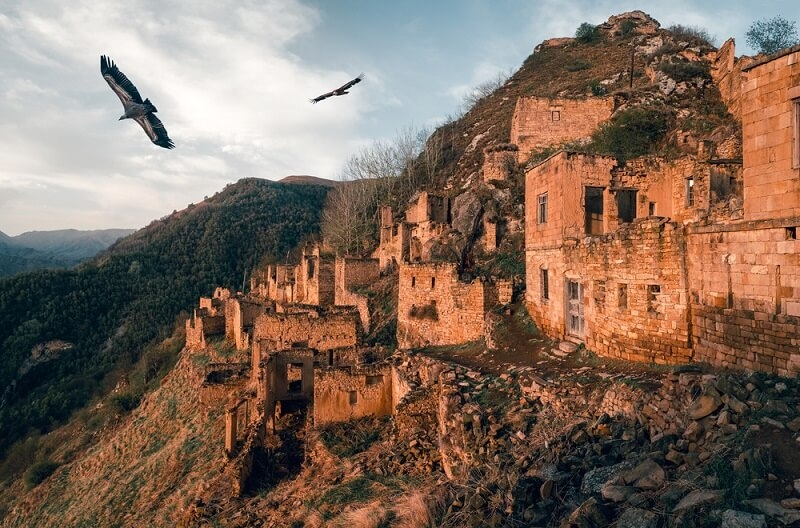
Some stories refuse to stay buried. Lost civilizations fall into that category. They whisper to us through cracked stones, half-buried cities, and unanswered questions. This topic isn’t just about the past. It’s about curiosity, imagination, and the strange comfort we find in mystery. In this article, we’ll walk through vanished societies, ancient ruins, forgotten cultures, and even Atlantis myths. We’ll look at what archaeology finds have revealed so far and, just as importantly, what they haven’t.
Lost civilizations aren’t simply old societies that declined. They’re cultures that slipped away with little warning, leaving behind gaps instead of clear explanations. That silence is what keeps historians, archaeologists, and everyday readers hooked.
Most civilizations leave a trail. Written records. Coins. Art. Laws. But some vanished societies didn’t get that memo. They collapsed quickly or quietly, and whatever stories they told faded with them. You know what? That’s unsettling. History usually explains itself, at least a little. Here, it shrugs.
Think about how much data we leave behind today. Emails. Photos. Social media posts. Now imagine all of that gone. That’s what makes these cases feel personal, even eerie.
In the US, there’s a long-standing love for unsolved puzzles. True crime podcasts. Cold case documentaries. Unfinished stories pull us in. Lost civilizations tap into that same instinct.
Ancient ruins often look solid and permanent, yet they’re reminders of how fragile societies can be. Stone lasts. People don’t.
Take cities discovered deep in jungles or deserts. Streets are still visible. Buildings half-standing. No clear sign of invasion or disaster. It’s like the people stepped out for groceries and never came back.
Archaeological finds in places like Central America and Southeast Asia show advanced planning, water systems, and trade routes. Then suddenly, nothing. No final chapter. Just empty space where life once buzzed.
Sometimes nature edits history without asking permission. Floods, droughts, earthquakes, and shifting climates can erase centuries of human effort. Here’s the thing. These events don’t always leave dramatic clues.
That slow fade makes ancient ruins harder to explain. And far more fascinating.
Not all forgotten cultures are buried deep underground. Some were overlooked, dismissed, or misunderstood for generations.
History is usually written by those who win. Smaller societies often get reduced to footnotes or myths. Their voices vanish, even if their buildings remain.
In North America alone, pre-Columbian societies built massive earthworks and trade networks. For years, many assumed they were simple or temporary.
Some vanished societies relied on oral storytelling instead of written language. That’s powerful, but also fragile. When populations shrink or scatter, stories change or disappear.
Honestly, that uncertainty can feel more human than a neat timeline.
Archaeological findings feel concrete. Bones. Tools. Foundations. Yet interpretation is where things get messy.
Finding an object is one thing. Understanding it is another. A carved stone could be religious, decorative, or political. Without context, archaeologists must piece together meaning like a puzzle missing half its pieces.
This is where theories multiply. And sometimes clash. That tension keeps the field alive, but it also means some answers stay out of reach.
New tools like ground-penetrating radar and satellite imaging are changing how we see vanished societies. Entire cities now appear on screens before a single shovel hits dirt.
But here’s a mild contradiction. The more we find, the more questions appear. Progress doesn’t always simplify things. Sometimes it complicates them, beautifully so.
No discussion of lost civilizations feels complete without the Atlantis myths. Plato’s story has inspired centuries of debate, hope, and wild speculation.
Was Atlantis a real place? A moral story? A blend of both? Some believe it reflects a real society lost to a natural disaster. Others see it as philosophy dressed up as legend.
Either way, the myth persists because it touches something deep. The fear that even advanced societies can vanish. The hope that maybe, just maybe, traces still exist beneath the sea.
Searches for Atlantis continue, often using cutting-edge technology. Submersibles. Sonar mapping. Academic journals mixed with popular documentaries.
You know what’s interesting? Even skeptics pay attention. The myth has become bigger than its truth. It’s a shared cultural itch we can’t stop scratching.
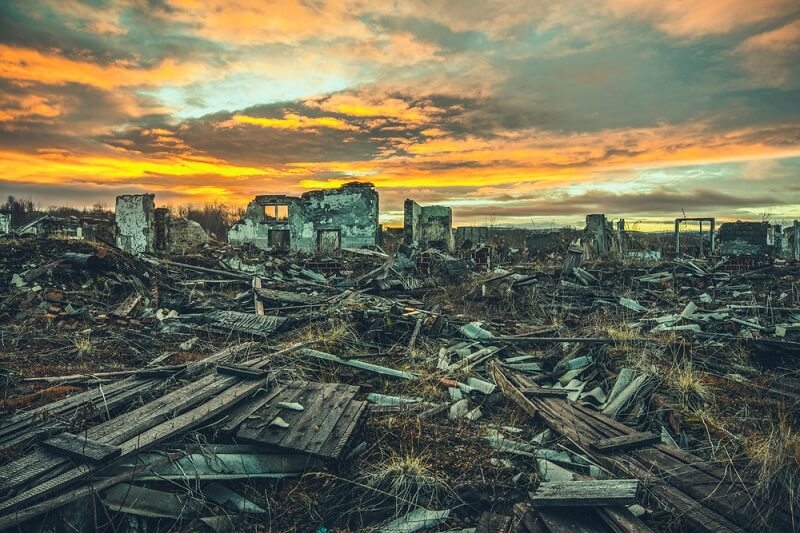
Some vanished societies seem to have ended abruptly, without a gradual decline. These cases feel especially haunting.
Evidence suggests certain communities faced rapid population loss. Disease. Environmental shock. Social unrest. Sometimes all at once.
The lack of clear warning signs challenges our assumptions. We like to think collapse is slow and obvious. History disagrees.
There’s an uncomfortable mirror here. Studying lost civilizations forces us to consider our own vulnerabilities. Climate stress. Resource strain. Social division.
That doesn’t mean history repeats itself neatly. But it does rhyme, as the saying goes. And those echoes are hard to ignore.
It’s tempting to treat forgotten cultures as distant curiosities. But their stories intersect with modern life more than we admit.
Humans hate loose ends. That’s not new. The pull of lost civilizations proves curiosity is wired into us. We want to know who we are by knowing who came before.
This curiosity fuels museums, documentaries, and even video games. It’s not just academic. It’s cultural.
There’s value in admitting what we don’t know. Not every mystery needs a tidy answer. Sometimes, leaving space for uncertainty shows respect for those who lived, loved, and vanished without explanation.
That humility might be one of the most meaningful takeaways.
Lost civilizations remind us that history isn’t a straight line. It’s uneven, emotional, and full of gaps. Ancient ruins stand as quiet witnesses to forgotten cultures. Archaeology finds offer clues, but not always closure. Atlantis myths blur the line between story and memory. Vanished societies challenge our confidence in permanence.
And maybe that’s the point. These mysteries don’t exist to be solved quickly. They exist to keep us wondering, questioning, and paying attention. Honestly, that might be their greatest gift.
Lost civilizations are societies that disappeared with limited records, leaving behind ruins, artifacts, or legends, but no clear explanation for their decline.
Ancient ruins often lack written records or clear evidence, making it hard for researchers to connect physical remains with social or historical context.
Atlantis is widely viewed as a myth, though some believe it may reflect memories of real ancient societies affected by natural disasters.
Archaeological finds provide physical evidence like tools and structures, helping experts form theories about daily life, beliefs, and possible causes of disappearance.
This content was created by AI