

Some objects feel so normal that people forget they were ever new. A zipper. A sticky note. Bubble wrap. Even the microwave. They sit in drawers and kitchens like they’ve always been part of the deal.
But everyday life is basically a pile of experiments that worked out. Someone tried to solve a problem, stumbled into an odd result, and then the world quietly agreed to adopt it. That’s why these backstories are fun. They’re messy, human, and sometimes a little ridiculous. The best part is how often invention stories start with a mistake, a shortcut, or a random “wait, what just happened?”
This guide is a quick tour through the history of objects people touch constantly, with a focus on the truly surprising origins that make ordinary things feel less ordinary.
A lot of iconic products began as a “nope.” The original plan didn’t land, but the leftover result ended up being useful in a totally different way. Keep the mistake around long enough, and it might turn into a product.
The examples below aren’t meant to be a complete timeline. They’re the ones that make people pause mid-task and think, “Hold on, this exists because of that?”
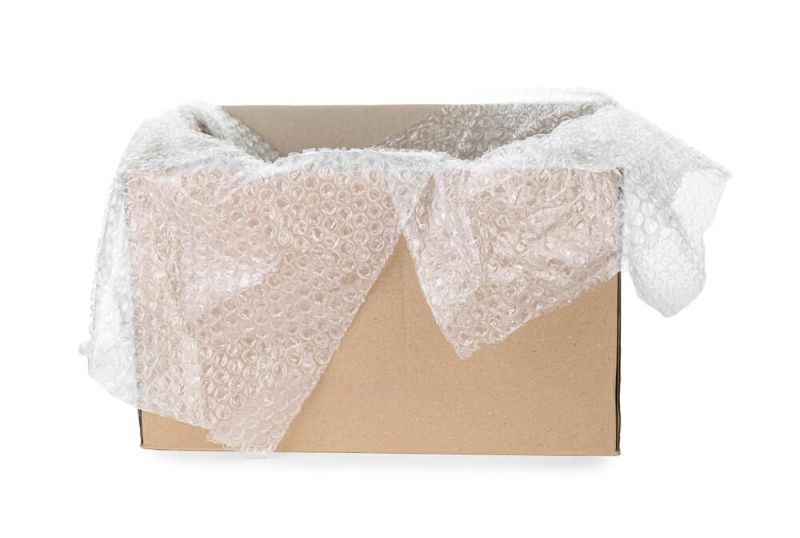
Bubble wrap feels like it was invented purely to be popped. But it’s commonly traced back to a textured wallpaper concept. It didn’t take off as décor, yet the trapped air turned out to be great cushioning for shipping.
That pivot is practical creativity. Nobody dreamed of packing material. They noticed a feature, then asked what problem it could solve. Now bubble wrap protects fragile items and keeps bored hands busy. Two wins.
Microwaves can feel like modern magic, but the origin tale is usually told as a small accident during radar related work. A person noticed a candy bar melting nearby, got curious, and tested the heating effect on other foods. That curiosity led to controlled, fast cooking.
It’s a reminder that breakthroughs don’t always look dramatic. They look like someone staring at a mess and thinking, “That shouldn’t have happened.”
A sticky note is simple: paper plus adhesive. Yet it’s one of the most useful desk items ever created. The story most people hear is that the adhesive was initially considered a failure because it didn’t bond strongly enough. Instead of trashing it, someone realized the low tack grip was perfect for temporary notes that could be moved around without ripping pages.
This is where product history gets oddly comforting. The idea wasn’t “invent the perfect note.” It was “we have this weird glue, what can it do?”
Today, zippers are everywhere. But early versions were clunky, and people didn’t automatically trust them on clothes or bags. Buttons and hooks were familiar. A mechanical closure felt like it might jam at the worst moment.
Once designs became smoother and manufacturing improved, the zipper finally felt reliable. And reliability, more than novelty, is what makes a new thing feel normal.
Cleaning teeth isn’t a new idea. Many cultures used chew sticks or early bristle tools long before the modern toothbrush. What changed over time was standardization and routine. As materials improved and daily hygiene became a norm, the toothbrush shifted from “occasional tool” to “twice a day, don’t skip it.”
It’s a nice reminder that culture pushes design as much as technology does.
A cart seems like a basic invention. Put a basket on wheels, done. But early carts didn’t instantly become popular because some shoppers felt self conscious using them. Stores had to normalize carts by demonstrating them and making them feel convenient instead of embarrassing.
That’s the hidden side of design. The object can function perfectly, but adoption depends on emotions and habit.
Highlighters feel like they were made for students and color coded notes. But the glow marker vibe grew out of fluorescent ink and felt tip development aimed at visibility and clarity. Once that bright ink existed, people discovered it was perfect for marking text quickly without covering it up.
This is the kind of object trivia that makes a person grin in the stationery aisle. Something built for visibility became a study ritual and a planner aesthetic.
Velcro feels so simple that it’s almost annoying. Two strips, press them together, rip them apart, done. The backstory usually begins outdoors, with plant burrs clinging to fabric and fur. Someone looked closely at how the burrs hooked on, copied the hook and loop idea, and turned it into a reusable fastener.
It’s a classic “nature already solved it” moment. And it’s everywhere now: shoes, bags, jackets, medical gear, even cable management. The best part is that the inspiration was basically a hiking nuisance.
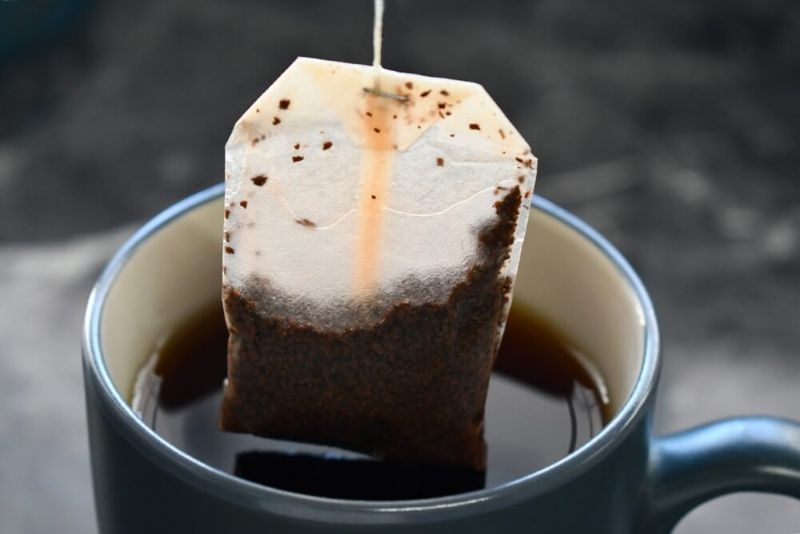
Tea bags are convenient, but they weren’t always the standard way to brew tea. One common origin story is that small samples were sent in little bags, and people dropped the whole thing into hot water instead of opening it. The bag turned into the method.
That shift changed daily routines because it made tea faster and cleaner, especially for busy households. It also shows how habits form: people choose what’s easy, then “easy” becomes tradition.
These stories share a pattern: curiosity plus patience. Someone notices an accident or an odd feature and doesn’t toss it immediately. They test it. They reframe it. They ask, “What else could this be good for?”
If a reader wants to spot these twists at home, here’s a quick game. Pick an item nearby and ask:
People don’t need to memorize dates or inventor names to enjoy this. The value is the perspective shift. Ordinary items become small reminders that the world is built by trial, error, and tiny improvements stacked on top of each other.
That’s also why product history can feel oddly personal. It mirrors how humans learn: try something, fail, adjust, repeat. And yes, these little invention stories matter. They show how creativity looks in real life, not in movies. Next time something breaks, they might smile and think maybe the version starts as a mistake.
A good approach is picking one item at a time and reading museum write ups, brand timelines, or library references. That keeps object trivia fun instead of overwhelming.
It highlights how habits, materials, and culture shape what people consider “normal.” The history of objects is basically human problem solving in small, everyday form.
They remind people that most solutions start imperfect, then improve through use, feedback, and better materials over time.
This content was created by AI